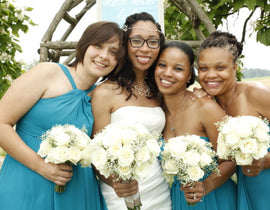


Your Ultimate Guide to Wholesale Flowers: Focals, Fillers and More

Planning a DIY wedding on a budget doesn't mean you have to compromise on beauty. Understanding the different types of flowers and how they work together is your secret weapon for creating stunning arrangements that look professionally designed. Whether you're crafting your bridal bouquet or filling centerpieces for your reception, knowing your focals from your fillers will save you money and give you gorgeous results.
Let's break down everything you need to know about wholesale flowers so you can design like a pro without breaking the bank.
The Four Essential Flower Categories
Every beautiful floral arrangement relies on a balance of four key flower types. Think of them as the building blocks of your wedding flowers. Once you understand how each category works, you'll be able to mix and match blooms to create arrangements that reflect your personal style.

Focal Flowers: The Stars of Your Arrangements
Focal flowers are exactly what they sound like—they're the blooms that immediately catch your eye. These are typically large, single blooms per stem that create the main visual interest in your bouquet or centerpiece. They're the flowers you'll remember most from your wedding photos.
Popular focal flowers include roses, anemones, dahlias, and ranunculus. If you're going for a rustic vibe, consider sunflowers or protea. For vintage elegance, peonies and garden roses are perfect choices.
When designing your arrangements, start with one to four types of focal flowers. This keeps things interesting without overwhelming the eye.

Filler Flowers: The Supporting Cast
Filler flowers do exactly what their name suggests—they fill in the gaps and add volume to your arrangements. Unlike focal flowers, fillers feature clusters of smaller blooms on each stem, making them incredibly cost-effective for DIY brides working with a budget.
Baby's breath is probably the most well-known filler flower, and it's having a major moment in bohemian weddings. But don't stop there! Spray roses, sweet peas, and limonium can add unexpected texture and personality to your designs. Filler flowers are also a smart way to incorporate additional colors without buying more expensive focal blooms.

Greenery: Your Secret Weapon
Greenery isn't technically a flower, but it's absolutely essential for creating those lush, overflowing arrangements you see on Pinterest. Eucalyptus, ruscus, and maiden hair fern provide structure and support for your blooms while adding that organic, garden-fresh feel.
For rustic weddings, olive branches and rosemary bring Mediterranean charm. If you're going vintage, try incorporating ivy or jasmine vine for a romantic touch. The best part? Greenery is typically more affordable than flowers, making it a budget-friendly way to make your arrangements look fuller.

Line Flowers: Adding Height and Drama
Line flowers are tall stems with multiple blooms that help define the shape of your arrangement. They're perfect for adding height to centerpieces or creating movement in bouquets. Delphinium, stock, and snapdragons are classic choices that come in a rainbow of colors.
These blooms are particularly useful if you're creating tall centerpieces or want to add visual interest to ceremony arrangements. They help guide the eye through your design and create a sense of flow.
Understanding the Difference Between Focal and Filler Flowers
The main difference comes down to size and structure. Focal flowers feature one large, eye-catching bloom per stem, while filler flowers have multiple smaller blooms clustered together. Focal flowers are your statement pieces, while fillers provide texture, volume, and support.
When you're shopping for wholesale flowers, you'll typically need fewer stems of focal flowers since each bloom makes a big impact. Filler flowers, on the other hand, you'll want in larger quantities to create that full, professional look.
Different Types of Filler Flowers to Consider
Filler flowers come in an incredible variety of textures and styles. Here are some favorites for DIY brides:
For Romantic Vibes: Baby's breath, spray roses, sweet peas, and astilbe create soft, delicate arrangements perfect for vintage weddings.
For Rustic Charm: Thistle, solidago, and yarrow add wild, organic texture that pairs beautifully with burlap and wood accents.
For Bohemian Style: Craspedia (billy balls), bunny tail, and scabiosa bring unique shapes and unexpected pops of color.
For Classic Elegance: Spray carnations, wax flower, and limonium offer timeless beauty at budget-friendly prices.
Are Alstroemeria Filler Flowers?
Yes! Alstroemeria (also called Peruvian lilies) are versatile filler flowers that offer incredible value. Each stem features multiple blooms in gorgeous colors with unique spotted patterns. They're long-lasting, which makes them perfect for DIY brides who need to arrange flowers ahead of time.
Alstroemeria work beautifully as both secondary focal flowers in smaller arrangements or as premium fillers in larger designs. They're particularly budget-friendly and come in nearly every color imaginable.
The 3-5-8 Flower Rule Explained
The 3-5-8 rule is a floral design principle that helps create balanced, visually pleasing arrangements. It suggests using flowers in odd-numbered groupings—3, 5, or 8 stems—because odd numbers feel more natural and less formal to the eye.
For a bridal bouquet, you might use 3 large garden roses as your focal flowers, 5 stems of spray roses as fillers, and 8 stems of greenery. This creates visual interest and balance without looking too symmetrical or staged.
This rule isn't set in stone, though! As you gain confidence in your DIY skills, feel free to experiment and trust your eye.

Putting It All Together: Creating Your Perfect Arrangement
Now that you understand the four flower categories, here's how to combine them for stunning results:
Step 1: Choose your focal flowers first. Pick one to four varieties that match your wedding colors and style.
Step 2: Select complementary filler flowers that add texture without competing with your focals.
Step 3: Pick greenery that supports your vision—lush and wild for bohemian, structured for classic elegance.
Step 4: Add line flowers if you need height or movement in your design.
The bouquet breakdown works like this: Your eye first notices the large focal blooms like garden roses or anemones. Then you'll spot the delicate spray roses and textured fillers. Finally, the greenery and line flowers create structure and flow throughout the arrangement.
Making the Most of Your Wholesale Flower Budget
Here's where understanding flower types really pays off. By choosing a mix of expensive focal flowers and budget-friendly fillers, you can create luxurious-looking arrangements without overspending.
Start with one or two premium focal flowers per arrangement, then bulk up with cost-effective fillers and greenery. Baby's breath, for example, costs a fraction of what roses do but adds incredible volume. Greenery like eucalyptus creates a lush look while keeping costs down.
Your DIY Flower Journey Starts Here
Armed with knowledge about focals, fillers, greenery, and line flowers, you're ready to order wholesale blooms and start creating. Remember, floral design is as much about expressing your unique style as it is about following rules. Don't be afraid to experiment, mix unexpected combinations, and make your arrangements truly personal.
Looking for more inspiration? Check out real wedding photos, join DIY bride communities, and practice with a few stems before your big day. The beauty of DIY flowers is that they tell your story—and now you have all the tools you need to tell it beautifully.
Read More:
- Types of Filler Flowers and Greenery (And Their Meanings!)
- How to Make a DIY Wedding Bouquet
- 13 DIY Wedding Centerpieces Your Budget Will Love
Credits:
Bouquet Breakdown Picture: Photographer - Jon Sharman Photography, Dress Designer - Martina Liana from Maggie Louise Bridal shop, Caterer: Esplanade, Groom Attire: Jos A. Banks, Band: DNA Entertainment - Memphis
ABOUT THE AUTHOR

